

Best Dental Insurance 2027

Finding the best dental insurance comes down to a few things: what the plan covers, how long you wait for major work, how much it pays per year, and whether your dentist is in network. This guide breaks each one down in plain language so you can compare plans with confidence.

Whether you need routine cleanings or crowns and dentures, you can use this page to compare plan types and top carriers, and to explore dental plans for seniors. When you are ready, enter your ZIP code to see the dental insurance plans available in your area.

Key Takeaway

The best dental insurance plan is the one that covers the care you actually need, has a waiting period you can live with, and includes the dentist you want to keep, at a premium that fits your budget.

✔ Preventive Care
✔ Fillings & Extractions
✔ Crowns & Dentures
✔ Plans for Seniors

Quick Summary

✔

Preventive care first. Most of the best dental insurance plans cover exams, cleanings and X-rays at or near 100%.

✔

Major work costs more. Crowns, bridges and dentures often carry waiting periods and higher out-of-pocket costs.

✔

Plan type matters. PPOs offer more dentist choice, while HMOs are usually cheaper but more restrictive.

✔

Location changes your options. Carriers, prices and networks vary by ZIP code, so compare the plans offered where you live.
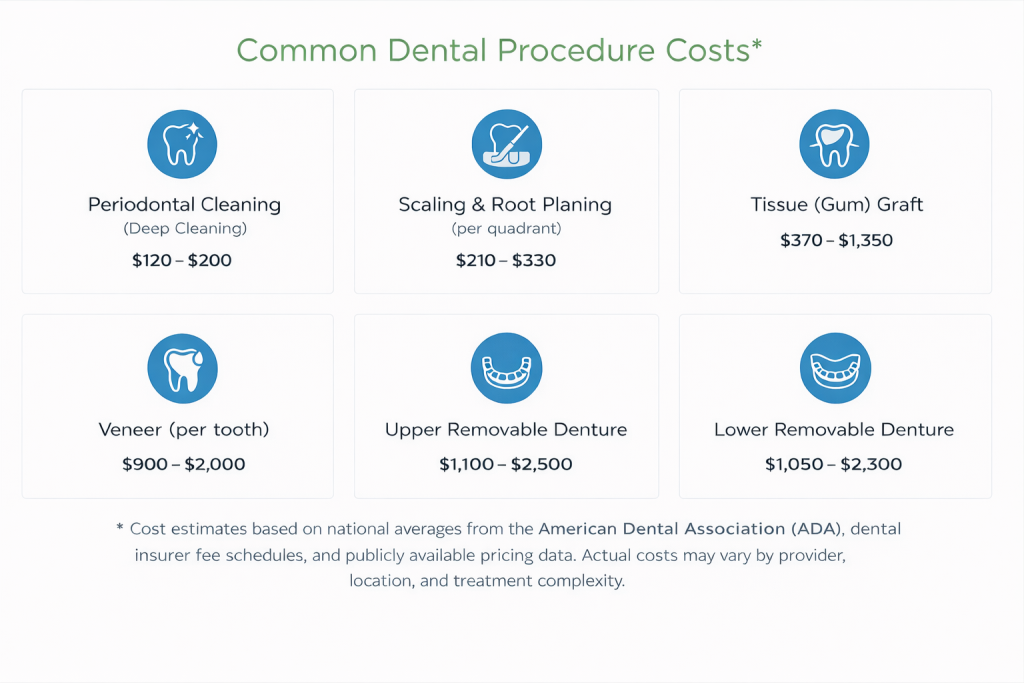
common dental procedures and cost

Compare Dental Insurance Plans in Your Area

What the Best Dental Insurance Covers

Most dental insurance plans sort care into three levels, and each level is covered at a different percentage. Knowing these levels is the fastest way to compare one plan against another.

Preventive Care

Exams, cleanings and X-rays. Often covered at or near 100%, frequently with no waiting period.

Basic Services

Fillings, simple extractions and some root canals. Commonly covered at a lower percentage, such as 70% to 80%.

Major Services

Crowns, bridges and dentures. Often covered around 50%, usually after a waiting period.

Orthodontics

Braces and aligners. Included on some plans, mostly for children, with limits for adults.

Coverage percentages vary by carrier, plan and state. Always check the plan details before you enroll.

common dental procedures insurance may cover

Services Dental Insurance Usually Does Not Cover

Knowing what is excluded is just as important as knowing what is covered. These are the services most often left out of dental insurance plans:

Commonly Excluded

Cosmetic dentistry. Teeth whitening and veneers are considered elective.

Adult orthodontics. Invisalign and braces for adults are often limited or excluded.

Implants and advanced gum care. Many lower-cost plans exclude these, and others cover them only after a waiting period.

TMJ therapy and medical oral surgery. These are often treated as medical, not dental, claims.

If you expect to need any of these services, look for a plan that lists them specifically. Some carriers also offer combined dental, vision and hearing plans that add extra benefits for a slightly higher premium.

Types of Dental Insurance Plans

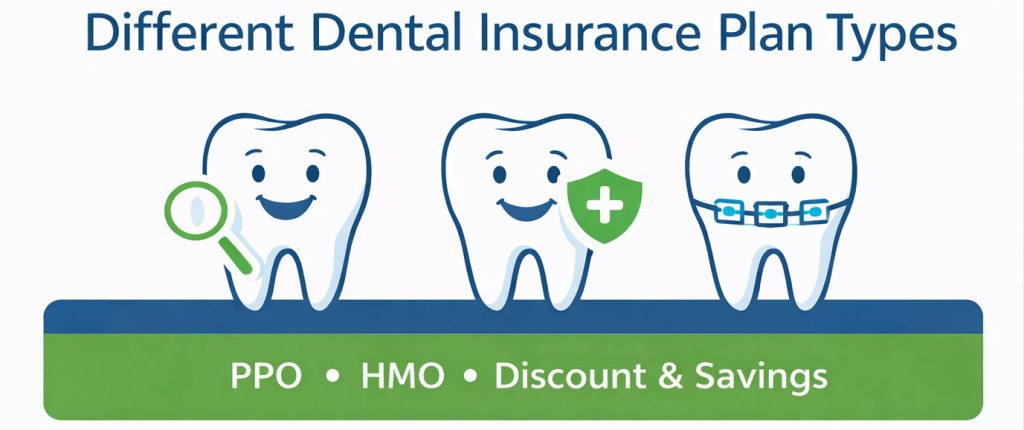
The type of plan you choose affects your premium, your dentist choices and how claims are paid. The three main types are PPO, HMO and indemnity plans.

different dental plan types

Dental PPO

See in-network or out-of-network dentists, with lower costs in network. Higher premiums, more flexibility. Popular with people who want to keep their dentist.

Dental HMO

Lower premiums and set copays, but you must use dentists in the plan’s network. Some plans require referrals for specialists.

Indemnity Plan

See any dentist. You may pay up front and file for reimbursement. The most freedom, usually at the highest cost.

Good to Know

Dental discount plans are not insurance. They give you reduced rates at participating dentists for an annual fee, with no annual maximum and no waiting periods. Some people use them alongside an insurance plan or while a waiting period runs.

types of dental plans available

How Your Location Affects Your Options

Dental insurance is sold state by state, so the carriers, prices and dentist networks available to you depend on where you live. Larger metro areas usually have more plans and bigger networks, which helps PPO plans deliver real choice. Rural areas may have fewer options, so it matters more to confirm that local dentists are in network before you enroll.

Your situation also shapes which plan fits best. For example, choosing dental insurance for students looks very different from choosing a plan for a retiree who expects crowns or dentures. Some states also run dental assistance programs for seniors that can work alongside a private plan.

The quickest way to see your real options is to enter your ZIP code and compare the plans offered in your area.

See the Dental Plans Available in Your ZIP Code

How to Choose the Best Dental Insurance Plan

A plan that looks cheap can cost more if it does not cover the work you need. Compare plans on these six points, in this order:

1

Coverage levels. Check the percentage paid for preventive, basic and major care, and whether the services you expect to need are included.

2

Waiting periods. Find out when each type of care is covered. If you need a crown soon, a short waiting period matters more than a low premium.

3

Annual maximum. This is the most the plan pays per year. Higher limits help if you expect major work.

4

Dentist network. Confirm that your dentist is in network. In-network care is almost always cheaper.

5

Deductible and coinsurance. Add up what you would pay out of pocket for the care you expect, not just the premium.

6

Monthly premium. Compare it last, once you know which plans actually cover your needs.

Why Waiting Periods Matter

A waiting period is the time between enrolling and getting coverage for certain services. Insurers use waiting periods so people do not buy a plan only for one expensive procedure and then cancel. If you need treatment before the waiting period ends, you pay for it yourself.

dental insurance waiting periods

Type of CareTypical Waiting PeriodExamples
PreventiveOften noneExams, cleanings, X-rays
BasicNone to about 6 monthsFillings, simple extractions
MajorOften 6 to 12 monthsCrowns, bridges, dentures
OrthodonticsOften 12 months or moreBraces, aligners

Typical ranges only. Waiting periods vary by carrier, plan and state, and some plans waive them with proof of prior coverage.

Best Dental Insurance Companies for 2027

Comparing Delta Dental plans? See the difference between a Delta Dental DPO vs PPO before you choose.

These are some of the most widely known dental insurance carriers. Plan designs, prices and availability vary by state, so use this list as a starting point and compare the actual plans offered in your ZIP code.

MetLife Dental Insurance

metlife dental insurance

MetLife is one of the largest names in dental insurance, serving both individuals and employer groups. Its plans typically emphasize preventive care and may extend to fillings, root canals, crowns and dentures, with coverage levels and waiting periods that vary by plan. A large national dentist network makes it easier to find an in-network dentist or keep the one you have.

Ameritas Dental Insurance

Ameritas dental insurance

Ameritas is known for flexible individual plan designs that balance price and coverage. Many plans include preventive care with little or no waiting period, and some offer benefits for out-of-network dentists. Higher-tier plans may cover major services such as crowns and dentures.

Cigna Dental Insurance

cigna dental insurance

Cigna offers dental plans with a broad national network and online tools for checking benefits and claims. Its plans typically cover preventive care, and depending on the plan they may cover fillings, root canals, crowns and dentures. Compare the waiting periods and annual maximums across Cigna’s plan levels before choosing one.

Aetna Dental Insurance

aetna dental insurance

Aetna is a large national insurer with dental options that complement its broader health coverage. Plans generally prioritize checkups and cleanings, and may cover basic and major work depending on plan type. Its wide provider network helps reduce surprise out-of-network costs.

ManhattanLife Dental Insurance

Manhattan life dental insurance

ManhattanLife is known for straightforward plans with clearly defined benefit limits and waiting periods, which often appeal to seniors on a budget. Some plans let you use any dentist, which suits people who value provider choice over network size.

Other carriers worth comparing:

Delta Dental
Humana
Guardian
Spirit Dental

Compare Top Dental Insurance Companies Side by Side

Best Dental Insurance for Seniors

Original Medicare generally does not cover routine dental care such as cleanings, fillings or dentures. Many Medicare Advantage plans may include some dental benefits, depending on the plan and area, but limits are often lower than a dedicated dental policy. That is why many seniors buy a standalone dental plan, either alone or on top of their Medicare coverage.

On Medicare? See how Medicare dental plans for 2027 work, including Medicare Advantage dental and standalone options.

What Seniors Should Look For

✔

Coverage for dentures and crowns. These are the costliest common needs after 65.

✔

A higher annual maximum. Worth paying a little more for if major work is likely.

✔

Short waiting periods. Matters most if you already know you need treatment.

✔

Your current dentist in network. Keeps care consistent and costs predictable.

Keeping Dental Costs Down

Look past the premium. A plan with a slightly higher monthly cost but a lower deductible, higher annual maximum or shorter waiting period can save you money if you need real work this year. Using in-network dentists, keeping up with free preventive visits and timing major treatment after waiting periods end all lower what you pay out of pocket.

finding the best dental insurance has never been easier

Bottom Line

The best dental insurance is the plan that covers your expected care, includes your dentist and has waiting periods that fit your timeline. Compare plans in your ZIP code to see real prices and benefits before you choose.

Find the Best Dental Insurance in Your Area

Best Dental Insurance FAQs

➤  What is the best dental insurance for 2027?

The best dental insurance depends on the care you expect to need, the dentists you want to keep and your budget. Many people compare carriers such as MetLife, Ameritas, Cigna, Aetna and ManhattanLife, focusing on the annual maximum, waiting periods, network and coinsurance for major work. Entering your ZIP code shows the plans available in your area.

➤  What does dental insurance usually cover?

Most plans cover preventive care such as exams, cleanings and X-rays, often at or near 100 percent. Basic services like fillings and simple extractions are commonly covered at a lower percentage, and major services such as crowns, bridges and dentures are often covered at around 50 percent, depending on the plan.

➤  Is there dental insurance with no waiting period?

Yes. Many plans cover preventive care with no waiting period, and some plans also offer immediate or shortened waiting periods for basic services. Waiting periods for major work such as crowns and dentures are common, often 6 to 12 months, but terms vary by carrier and state.

➤  What is the best dental insurance for seniors?

Seniors often look for a higher annual maximum, coverage for dentures and crowns, short waiting periods on major work and a network that includes their current dentist. Some seniors get dental through a Medicare Advantage plan, while others buy a standalone dental policy for broader coverage.

➤  Does Medicare cover dental care?

Original Medicare generally does not cover routine dental care such as cleanings, fillings or dentures. Many Medicare Advantage plans may include some dental coverage, depending on the plan and area, and a standalone dental plan can add coverage for people on Original Medicare.

➤  What is the difference between a dental PPO and a dental HMO?

A dental PPO lets you see in-network or out-of-network dentists, with lower costs in network, and usually has higher premiums. A dental HMO typically has lower premiums but requires you to use dentists in its network.

➤  What is an annual maximum on dental insurance?

The annual maximum is the most a dental plan will pay toward your care in a plan year. Once you reach it, you pay the rest. Many individual plans set annual maximums somewhere around 1,000 to 2,000 dollars, and some offer higher limits for a higher premium.

➤  Does dental insurance cover implants?

Some plans cover implants as a major service, often after a waiting period and subject to the annual maximum, while many lower-cost plans exclude them. If you expect to need implants, check the plan details before you enroll.

➤  Is cosmetic dentistry covered by dental insurance?

Usually not. Teeth whitening, veneers and other cosmetic treatments are generally considered elective and are commonly excluded from dental insurance plans.

➤  How do I find the best dental insurance in my area?

Plan availability, pricing and dentist networks vary by location. Enter your ZIP code on this page to compare dental insurance plans available where you live, then check that your dentist is in network before you enroll.